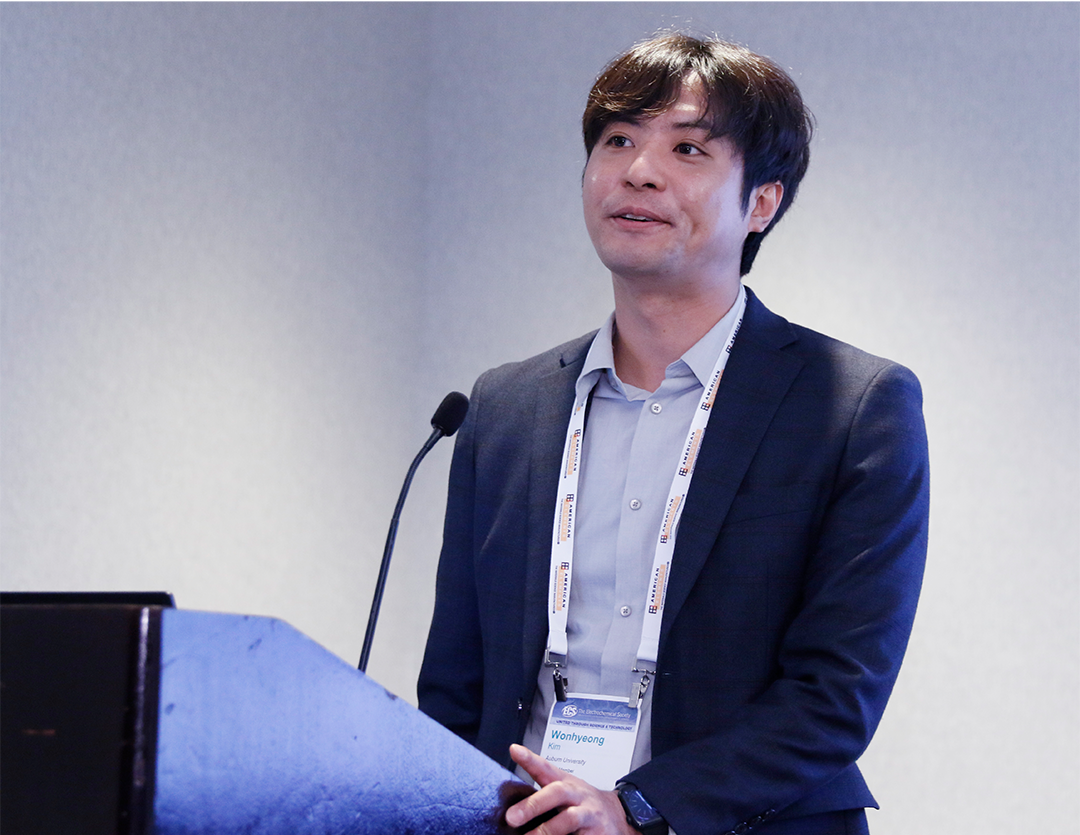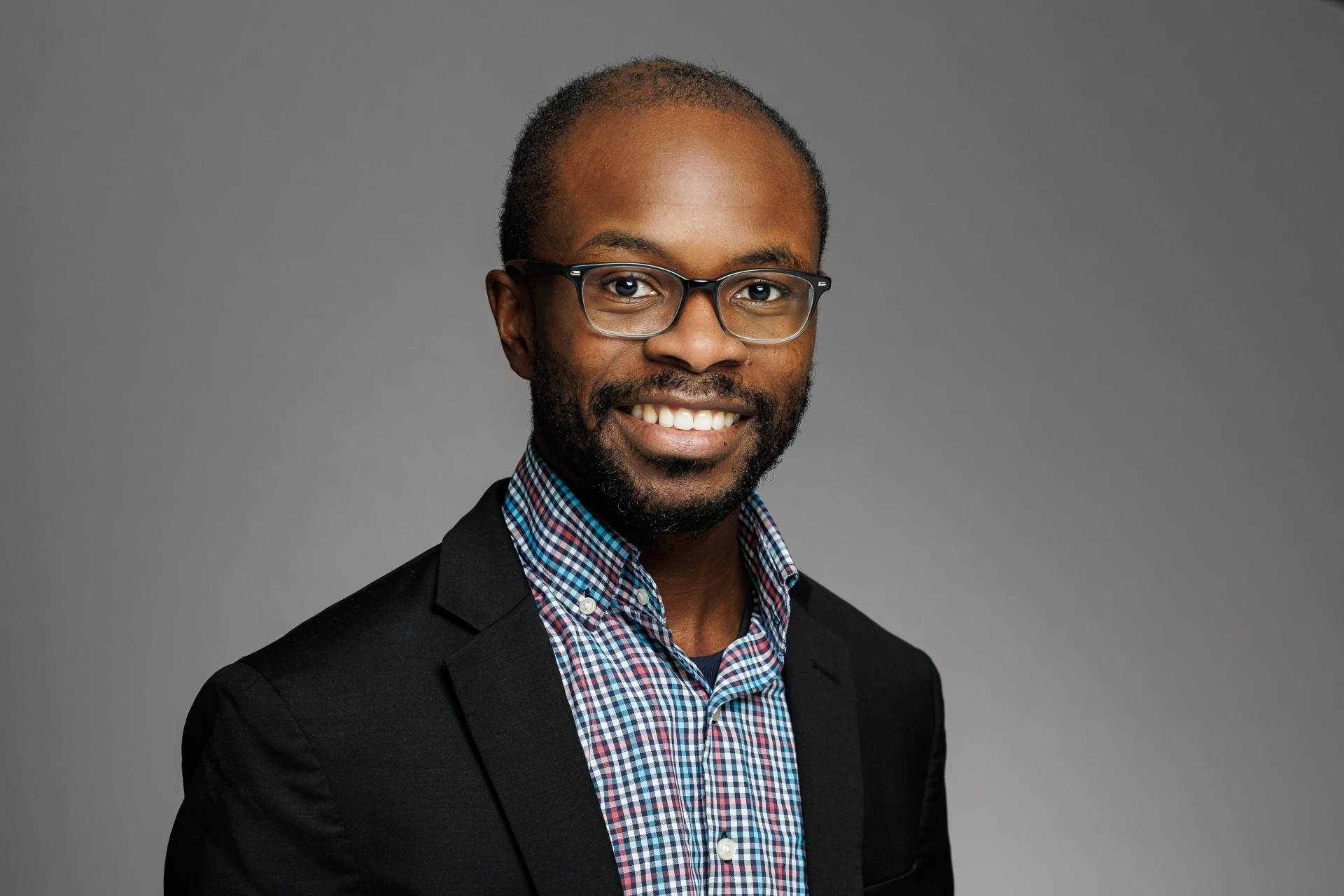

The Canada’s Rising Stars in Electrochemical Systems Symposium 3e- gives emerging stars from Canadian institutions an opportunity to recruit, connect, and showcase their research within the electrochemistry community. Each of the four sessions features lightning pitches by invited speakers on their research interests, followed by a panel discussion and Q&A with attendees. Anyone can attend this virtual symposium!

Date: April 16, 2026

Time: 1100 – 1530 EST

The symposium is open to all! Join us via Zoom on April 16.

Zoom link

(more…)

Boaz Mamo, Addionics

The ECS Detroit Section invites you to “Smart Metals for Next-Gen Batteries: How Porous 3D Current Collectors Redefine Cell Design for a New Era of Performance and Cost” presented by Boaz Mamo (Addionics) on April 7 at Mercedes-Benz R&D North America.  

Register now


Title: “Smart Metals for Next-Gen Batteries: How Porous 3D Current Collectors Redefine Cell Design for a New Era of Performance and Cost”  

Date: Tuesday, April 7, 2026 

Schedule: 1800h Posters and Dinner | 1900h Speakers 

Location: Mercedes-Benz R&D North America, 35555 W 12 Mile Rd, Farmington Hills, MI 48331  (more…)

Prof. Nagappan Ramaswamy

Prof. Nagappan Ramaswamy

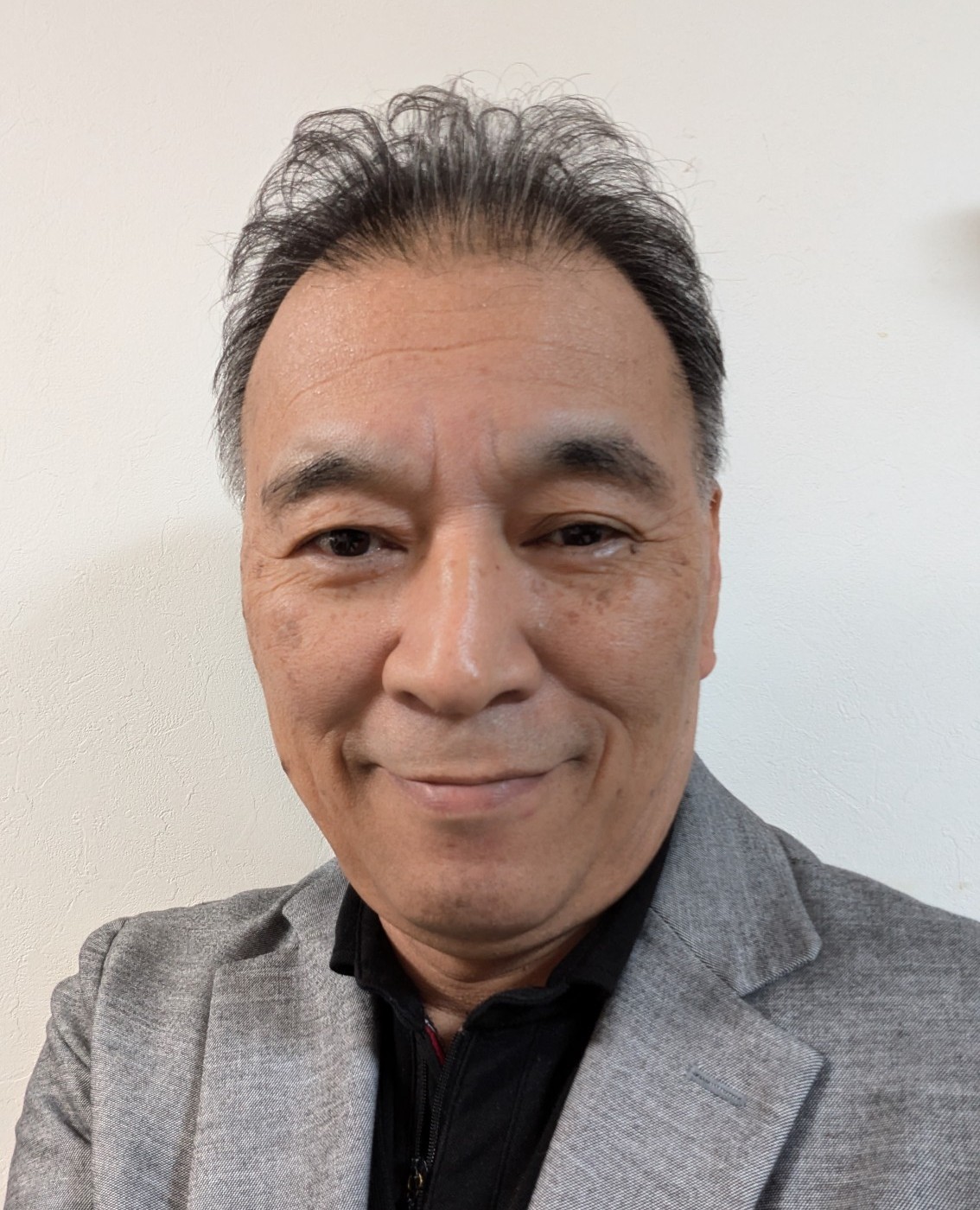
The Electrochemical Society hosted “Fuel Cell Catalyst Requirements for Heavy-Duty Vehicle Applications,” a live webinar by Nagappan Ramaswamy (Indian Institute of Technology Bombay), on February 18, 2026. A live Question and Answer session followed. Answers to questions not addressed during the broadcast are provided below.

Replay webinar

(more…)

Joy Zeng, Brown University

Joy Zeng, Brown University

The ECS New England Section invites you to the March 2026 Section Meeting on March 19, 2026, at Northeastern University. 

The event includes networking, a buffet dinner, and a presentation from Joy Zeng (Brown University, School of Engineering). 

Register now

Pre-registration by March 18 is required. (more…)

As of January 1, 2026, the ECS New England Section welcomed a new Executive Committee:

  • CHAIR: Prof. Joshua Gallaway, Northeastern University
  • VICE CHAIR: Prof. Trisha L. Andrew, University of Massachusetts Amherst
  • SECRETARY: Prof. Ertan Ağar, University of Massachusetts Lowell
  • TREASURER: Dr. Katelyn Ripley-Kenyon, Sage Analysis Group

(more…)

Maria Kelly

Maria Kelly
Sandia National Laboratories

Date: March 18, 2026
Time: 1300-1400h ET

Register

(more…)

Noël Hallemans

Noël Hallemans

Noël Hallemans
University of Oxford

Date: January 21, 2026
Time: 1000–1100h ET

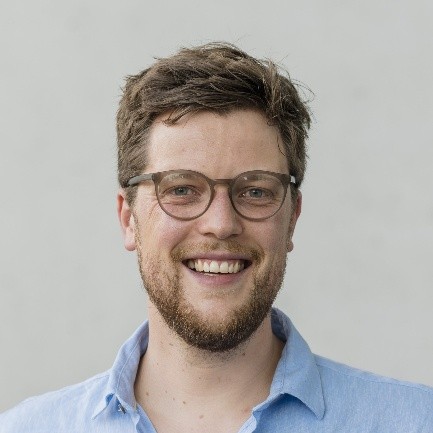
The Electrochemical Society hosted “Physics-based battery model parametrization from impedance data,” a live webinar by Noël Hallemans (University of Oxford), on January 21, 2026. A live Question and Answer session followed. Answers to some of the questions not addressed during the broadcast follow.

Replay Webinar

(more…)

Prof. Nagappan Ramaswamy

Prof. Nagappan Ramaswamy

Prof. Nagappan Ramaswamy
Indian Institute of Technology Bombay

Date: February 18, 2026
Time: 1000-1100h ET

Register now


Heavy-Duty Vehicles (HDV) powered by hydrogen-based Proton Exchange Membrane (PEM) fuel cells offer a cleaner alternative to the diesel-powered internal combustions engine vehicles for decarbonization of long-haul transportation sectors. The development path of sub-components for HDV fuel cell applications is guided by the Total Cost of Ownership (TCO) analysis of the truck. TCO analysis suggests that the cost of the hydrogen fuel consumed over the lifetime of the HDV is more dominant due to the operation of the trucks for longer mileage (~a million miles) than the fuel cell stack Capital Expense (CapEx). Commercial HDV applications consume more H2 fuel and demand higher durability and hence the TCO of the vehicle is largely related to the fuel cell efficiency and durability of catalysts. This article is written to bridge the gap between the industrial requirements and academic activity for advanced cathode catalysts with an emphasis on durability. From a materials perspective, the underlying nature of the carbon support, Pt-alloy crystal structure, stability of the alloying element, cathode ionomer volume fraction, and catalyst-ionomer interface play a critical role in improving performance and durability. We provide our perspective on four major approaches, namely, mesoporous carbon supports, ordered PtCo intermetallic alloys, thrifting ionomer volume fraction, and shell-protection strategies that are currently being pursued. While each approach has its merits and demerits, their key developmental needs for the future are highlighted.

(more…)

(Click to enlarge)

As of January 1, 2026, the ECS Europe Section welcomed a new Executive Committee. Prof. Ingrid Milošev (Jožef Stefan Institute) has assumed the role of Chair, with Prof. Thierry Djenizian (École Nationale Supérieure des Mines de Saint-Étienne) as Vice Chair. Prof. Iwona Rutkowska (Uniwersytet Warszawski) serves as Secretary, and Prof. Andrea Bourke (Technological University of the Shannon) as Treasurer. Prof. Jan Macák (Univerzita Pardubice) continues his involvement as Immediate Past Chair. The Executive Committee is further supported by Members-at-Large: Profs. Philippe Marcus, Paweł Kulesza, Noel Buckley, Petr Vanýsek, Giuseppe Barillaro, Geir Martin Haarberg, Stefan de Gendt, Uroš Cvelbar, and Dr. Robert Lynch. (more…)

Noël Hallemans

Noël Hallemans

Noël Hallemans
University of Oxford

Date: January 21, 2026
Time: 1000–1100h ET

Register now


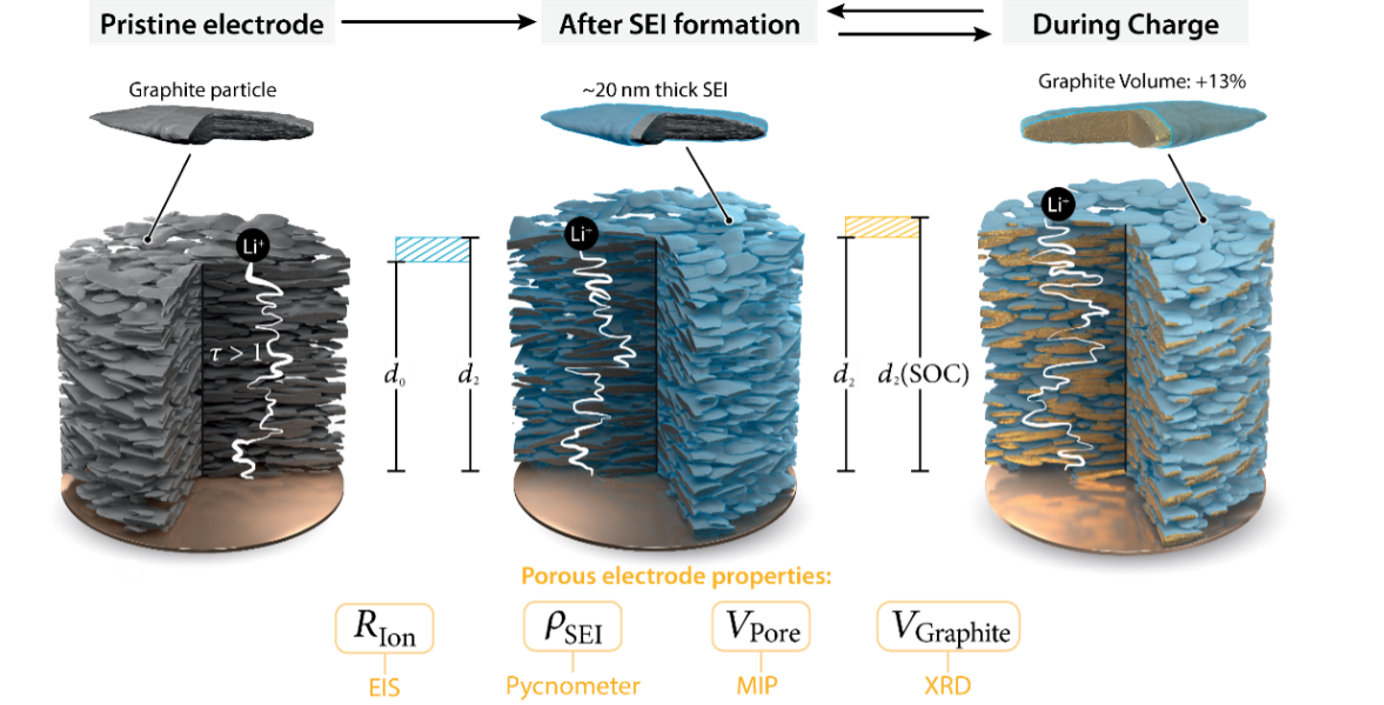
Electrochemical impedance spectroscopy (EIS) offers rich insights into the physical processes within batteries—but how can these measurements directly inform physics-based models? Recent work presented in this webinar demonstrates how impedance data can be used to extract grouped parameters for physics-based models such as the Doyle-Fuller-Newman (DFN) model or the reduced-order single particle model with electrolyte (SPMe). (more…)

  • Page 1 of 5
ECS
Privacy Overview

This website uses cookies so that we can provide you with the best user experience possible. Cookie information is stored in your browser and performs functions such as recognising you when you return to our website and helping our team to understand which sections of the website you find most interesting and useful.